Don’t Hire Blindly — Get the Website You Actually Need

Hiring a web designer should be an exciting step for your business — not a frustrating one.
But too often, business owners rush into a design project without the essentials prepared. The result? Miscommunication, budget overruns, delays, and a final website that doesn’t reflect your brand or serve your goals.
This checklist is your preparation toolkit. Whether you’re a solopreneur, a service-based business in Dubai, or a small team looking to grow online presence, getting these 10 things ready will make your web design process smoother, faster, and way more effective.
Let’s dive in.
1. Define Your Website Goals Clearly

Before you talk to a designer, you need to know what you want your website to achieve.
- Do you want leads?
- Bookings?
- Trust-building?
- Portfolio showcasing?
- SEO visibility?
Most designers aren’t mind readers. If you can articulate your goals clearly, you’ll get a website that performs — not just looks good.
TIP: Try to write a one-sentence mission for your website. Example: “Our site should help real estate clients in Dubai contact us faster and view available listings easily.”
2. Identify Your Ideal Visitor (Target Audience)

Your site isn’t for everyone. It should speak directly to the people who are most likely to hire you or buy from you.
Ask yourself:
- Where do they live?
- What problems do they face?
- What language(s) do they speak?
- What would make them trust a business like yours?
Your designer can then choose the right layout, images, and tone based on this profile.
3. Make a List of Must-Have Features

This step alone can save hours of back-and-forth.
Your must-have website features might include:
- WhatsApp button for fast contact
- Booking calendar
- Photo or video gallery
- Testimonials section
- Multi-language toggle (e.g., English + Arabic)
- Blog or knowledge base
- Instagram feed integration
Write them all down. Even better: prioritize them. What’s essential vs. nice-to-have?
4. Prepare Your Basic Website Content

No designer can build your site with just a logo.
Here are the minimum pages most small businesses need:
- Home: Brief intro, service highlights, and a CTA
- About: Your story, team, and what makes you different
- Services: Clear descriptions of what you offer
- Contact: Phone, WhatsApp, email, Google Map, contact form
- Testimonials/Portfolio: Social proof or examples of your work
You don’t need to write a novel. Bullet points or voice memos are fine — your designer or copywriter can polish them later.
5. Gather Visual Assets (or Know What You Need)

- Your logo (preferably in PNG or SVG)
- High-resolution photos of your business, team, or location
- Any certifications, badges, or awards
- Stock photo preferences if you don’t have original pictures
- Brand colors and fonts (if defined)
No assets yet? Let your designer know early so they can suggest photo shoots or stock image alternatives.
6. Check Your Competition and Inspiration
Send your designer 2–3 links to websites you like (and don’t like). Be clear about why.

- Do you love their layout?
- The fonts?
- The simplicity?
- The vibe?
Also include competitors. It helps your designer position you smartly instead of copying trends.
7. Decide on Your Budget and Timeline

Be honest about your constraints. A good designer will tailor their approach based on your resources.
- Do you need something live in 2 weeks? Or can you wait a month?
- What’s your maximum budget?
- Do you need hosting and domain included?
And don’t forget: investing in a solid website now pays off in months and years of customer trust and leads.
8. Know Who Will Maintain the Website Later

- Update plugins
- Back up the site
- Make small edits (like text or photos)
You have 3 options:
- Learn to manage it yourself (with basic WordPress training)
- Ask your designer for a maintenance plan
- Assign it to someone on your team
Discuss this before the project ends.
9. Think About SEO Basics

- Will my site be mobile-friendly?
- Will it have basic SEO (titles, alt text, etc.)?
- Can we track visits with Google Analytics or Rank Math?
- What keywords do I want to be found for?
Even if you won’t run ads or blog right away, getting indexed properly from Day 1 makes a difference.
10. Be Ready to Collaborate (Not Just Approve)

The best websites happen when clients and designers work together.
Don’t just say, “I trust you.” Instead, provide timely feedback, review drafts, and clarify your expectations.
Remember: your designer is your partner, not just a vendor.
A prepared client = a faster, smoother, better website project.
Bonus: Common Mistakes to Avoid
- Starting without goals or direction
- Using only social media as your online presence
- Giving unclear or late feedback
- Asking for last-minute changes after final design
- Skipping maintenance after launch
Avoid these, and your project will feel surprisingly easy.
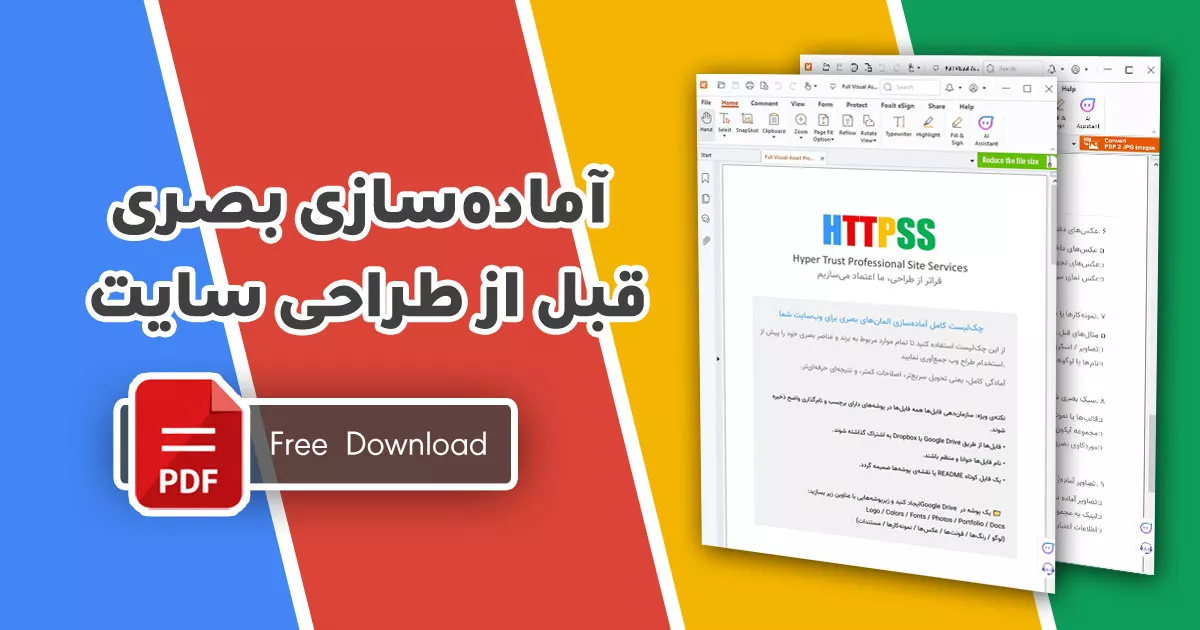
⬇️DOWNLOAD PDF
Want a version you can check off with your team?

Perfect for sharing with your business partner or printing out before your discovery call.
Final Thoughts: Build Like You Mean Business
Your website is more than a digital brochure. It’s your 24/7 salesperson. Your trust-builder. Your first impression.
Going into a web design project unprepared is like opening a store without shelves.
But when you walk in with clarity, vision, and a plan?
You get a site that does what it should: grow your business.